



Heat Pumps:
Solutions for energy efficiency and sustainability
What are heat pumps and why are they a popular choice?
Heat pumps are fast becoming a popular choice for social housing associations and local authorities looking for renewable heating solutions. When installed and operated correctly, they are one of the most economical and eco-friendly solutions available. If you are considering installing heat pumps within your housing stock, we have everything you need to know about this low-carbon heating technology.
Types of heat pumps
Heat pumps work in different ways and are compatible with different types of heating systems. The two main types of heat pumps that are particularly applicable to social housing which this article will cover are air source heat pumps and ground source heat pumps. Other types of heat pumps exist, such as exhaust air, hybrid and water source heat pumps.
Air source heat pumps
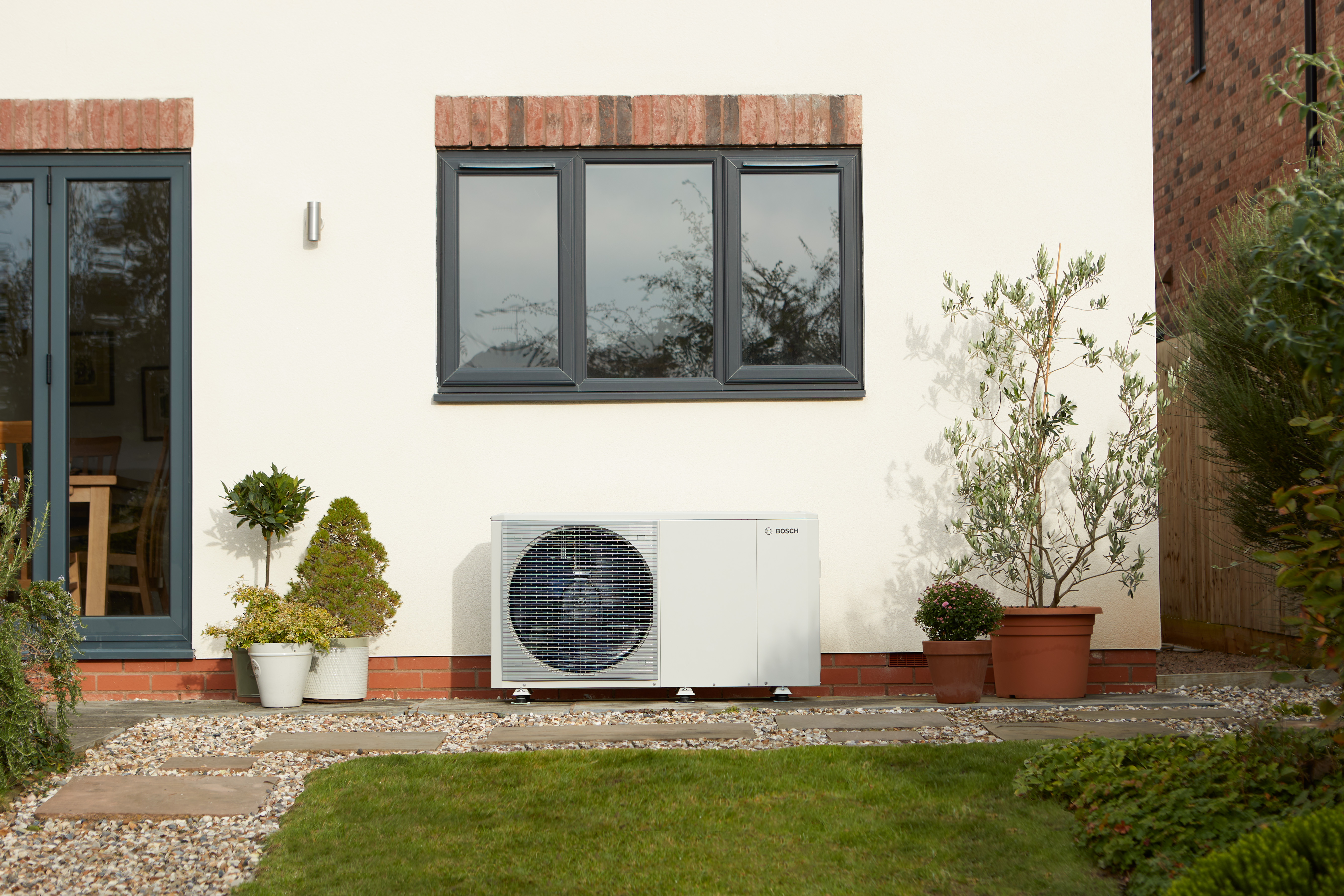
Air source heat pumps use thermal energy in the air to generate warm air in the case of ‘air-to-air’ heat pumps, or warm water for heating and hot water in the case of ‘air-to-water’ heat pumps. They are a low-carbon alternative for your housing stock, allowing you to reduce your reliance on gas or oil and use significantly less electricity. Not only does this reduce the carbon footprint but it can also reduce your residents’ heating bills.
How does an air source heat pump work?
Air source heat pumps take heat from the outside air and compress it into higher temperatures which can then be used with a standard wet heating and hot water system (usually underfloor heating and/or radiators). They make use of a refrigerant circuit (like a fridge) to increase the temperatures to a level that can be utilised to provide heating and hot water for your properties. Air source heat pumps are so effective they can extract heat from the air even at temperatures as low as minus 15 degrees centigrade. However, at colder temperatures they tend to operate less efficiently.
Heat pumps use electricity, so it is not free to use for your residents, and grid electricity is not yet zero carbon. When paired with solar PV though, running costs and carbon emissions are significantly reduced.
Heat pumps can be highly efficient, at rates of over 300% efficiency, meaning for every one unit of electricity used 3 units of heat are generated. Some heat pumps are achieving much higher efficiencies than 300%. When installed and operated correctly, they can be cheap to use and will save significant amounts of carbon in comparison to fossil-fuelled boilers for your housing stock.
Considerations before installing air source heat pumps
- You will need a place outside your properties where a unit can be fitted to a wall or placed on the ground. It will need plenty of space around it to get a good flow of air and access for maintenance.
- Air source heat pumps perform particularly well with underfloor heating systems or larger radiators or warm air heating because they operate at low temperatures. Properties without an existing central heating system will require one to be installed for an air-to-water air source heat pump to work.
- Homes currently using a combination (or combi) gas boiler, without a hot water cylinder, will need one to be installed alongside a heat pump in order to provide a source of hot water. Alternatively, heat batteries are another technology which are often paired with heat pumps for providing hot water.
- It is important that your housing stock are well insulated and draught-proofed to minimise heat loss as air source heat pumps work best when producing heat at a lower temperature than traditional boilers.
Ground source heat pumps
Ground source heat pumps extract heat from the ground through a network of pipes buried underground. This type of heat pump is highly efficient and can provide heating and hot water for your stock all year round. Ground source heat pumps are ideal for projects with larger gardens or for blocks of flats or high-density housing where boreholes can be drilled on outdoor space.
How does a ground source heat pump work?
Heat naturally moves from areas of higher temperature to lower temperature. A ground source heat pump leverages this principle by circulating a chilled fluid through a network of underground pipes which absorbs ambient energy from the ground.
The heat pump subsequently compresses this acquired energy to elevate its temperature, transferring it to the building's heating and hot water infrastructure. After relinquishing the absorbed energy to the heat pump, the fluid resumes its journey back to the submerged piping to initiate the cycle anew.
Why trust Sureserve with your renewable solutions?
At Sureserve, we have the expertise and knowledge to provide you with the best renewable solutions for your housing stock. Our teams are installing around 1,700 heat pumps per year, in addition to other renewable technologies and fabric measures. Our trusted high-quality solutions focus on energy efficiency, ensuring warm, safe, and compliant homes, and ultimately improving the quality of life for residents. With a nationwide reach, regional and local relationships, and a commitment to excellent client service, we are set up to be a trusted partner for now and the future. Find out how we can help you.