


Awaab's Law Phase 2:
Why Housing Providers Need to Act Now
As housing providers continue implementing the requirements of Awaab's Law Phase 1, attention is increasingly turning towards what comes next.
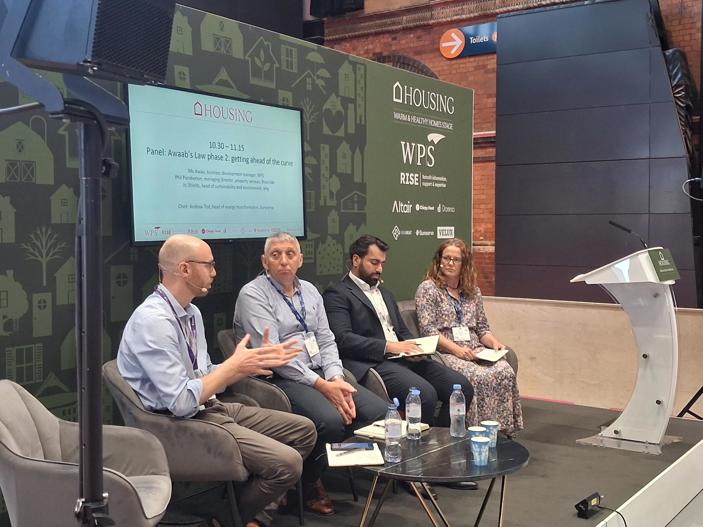
At Housing 2026, our panel discussion explored how organisations can prepare for Phase 2 of Awaab's Law, focusing on governance, data, resident vulnerability and the shift from reactive compliance towards a more preventative approach. The overriding message was simple: don't wait for legislation to arrive before acting.
Learning From Phase 1
The panel agreed that the lessons learned from Phase 1 should form the foundation for future compliance.
Many organisations continue to manage historic cases and existing backlogs. However, waiting until new requirements become mandatory risks missing valuable opportunities to improve processes and strengthen organisational readiness.
Instead, providers should use this time to review what has worked, identify areas for improvement and build more resilient operating models.
Understanding Risk Earlier
A key discussion point focused on the need to identify risks before they become complaints.
Panellists highlighted the importance of understanding resident vulnerability and recognising which households may be at greater risk from issues such as damp, mould and poor housing conditions.
This represents a significant shift away from responding to problems after they are reported and towards preventing them from occurring in the first place.
Better Data Leads to Better Decisions
Data was identified as one of the sector's biggest opportunities.
Many organisations still hold information across multiple systems, making it difficult to build a clear picture of property conditions, resident needs and emerging risks.
The panel emphasised that improving data quality and integrating information sources can help providers:
- Identify issues sooner
- Prioritise resources more effectively
- Improve decision-making
- Strengthen compliance outcomes
- Enhance resident safety
Learn more about Healthy Homes Checks
Technology as an Enabler
The role of technology, including Artificial Intelligence, was also discussed.
Rather than replacing professional judgement, technology can support housing providers by improving evidence collection, identifying potential risks and helping teams make more informed decisions.
Combined with high-quality data, digital tools have the potential to significantly improve early intervention and preventative maintenance programmes.
Looking Ahead
Phase 2 of Awaab's Law presents an opportunity to move beyond compliance and towards a more proactive model of housing management.
Providers that strengthen governance, improve data quality, better understand resident vulnerabilities and embrace preventative approaches will be best positioned to meet future requirements while delivering healthier homes for residents.
At Sureserve, we believe the organisations that start preparing today will be the ones best equipped to succeed tomorrow.