


Building the Workforce Behind the Green Economy:
Why Skills Will Shape the Future of Housing
The UK's green economy is often discussed in terms of technology.
Conversations frequently focus on renewable energy, energy efficiency, low-carbon heating and the innovations helping to improve homes across the country. These developments are undoubtedly important, but a growing question is emerging across the housing sector.
Who will deliver them?
As housing providers continue to invest in decarbonisation, Healthy Homes initiatives and asset improvement programmes, the success of these ambitions will depend on having enough skilled people available to carry them out.
Increasingly, the challenge facing the sector is not simply one of technology or funding.
It is one of workforce capacity.
The Skills Challenge Is Growing
The UK's construction and housing sectors have long experienced skills shortages, but recent analysis suggests the scale of the challenge is becoming more significant.
The National Audit Office recently highlighted that hundreds of thousands of additional workers may be needed over the coming years to support housing delivery, infrastructure commitments and home improvement programmes. At the same time, industry leaders continue to raise concerns about an ageing workforce and a shortage of new entrants into skilled professions.
For organisations operating within social housing, this has important implications.
Improving housing stock requires people with specialist knowledge and practical expertise. Every heating system upgrade, ventilation installation, property inspection and energy efficiency improvement relies on skilled professionals who can design, install, maintain and manage these solutions effectively.
Without sufficient investment in people, the sector's ambitions risk becoming increasingly difficult to achieve.

Decarbonisation Depends On Skilled People
There can sometimes be a tendency to discuss decarbonisation primarily through the lens of technology.
Yet every innovation ultimately relies on people.
- Solar panels require qualified installers
- Electrical upgrades require trained electricians
- Ventilation improvements require technical expertise
- Compliance programmes require skilled inspectors and engineers
Even the most ambitious housing strategies depend on having the workforce capable of delivering them.
This reality is becoming more apparent as housing providers adopt increasingly ambitious plans to improve existing homes while responding to rising resident expectations around comfort, affordability and wellbeing.
The technologies may continue to evolve, but the need for skilled people remains constant.
Apprenticeships Are More Than Recruitment
Against this backdrop, apprenticeships are becoming increasingly important.
Traditionally viewed as a route into employment, apprenticeships are now playing a broader role in helping organisations build long-term capability and resilience.
They provide opportunities for individuals to develop practical skills, gain industry experience and establish meaningful careers. At the same time, they help employers create sustainable talent pipelines that support future growth.
Importantly, apprenticeships also deliver benefits beyond individual organisations.
- They support social mobility
- They create opportunities within local communities
- They provide alternatives to traditional career pathways
- They help ensure essential skills remain available for future generations
As workforce challenges continue to grow, apprenticeship programmes are increasingly being recognised not simply as recruitment initiatives, but as strategic investments in the future of entire industries.
Developing A Workforce For Tomorrow
A recurring theme across recent discussions within housing and construction has been the need to think long-term.
The workforce required in ten years' time is being developed today.
Organisations that invest early in training, mentoring and professional development will be better positioned to respond to future demand and support evolving housing priorities.
At Sureserve, this principle sits at the heart of our approach.
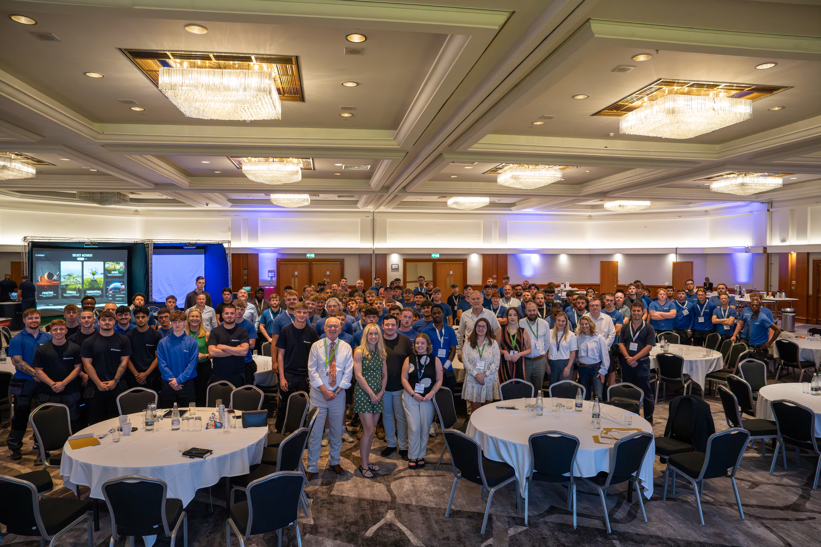
With more than 250 apprentices employed across the UK, we are actively investing in the next generation of engineers, electricians, compliance specialists and technical professionals who will help deliver healthier, safer and more sustainable homes.
These individuals are not simply learning a trade.
They are developing the skills that will underpin the future of housing.
Creating Opportunities, Creating Value
Perhaps one of the most important aspects of workforce development is the wider value it creates.
Every apprentice represents an opportunity.
- An opportunity for an individual to build a career
- An opportunity for a community to develop local talent
- An opportunity for an organisation to strengthen its future workforce
Ultimately, an opportunity for the housing sector to build the capacity required to improve homes and support residents.
The benefits extend far beyond employment statistics. Workforce investment contributes to stronger communities, economic resilience and long-term sector sustainability.
It helps ensure that housing providers have the capability needed to deliver not only today's priorities, but tomorrow's as well.
Looking Ahead
As the green economy continues to grow, it is becoming increasingly clear that its success will depend as much on people as it does on technology.
The future of social housing will require skilled professionals capable of improving homes, supporting residents and delivering increasingly complex programmes at scale.
Developing that workforce cannot wait until shortages become critical.
It requires sustained investment, long-term thinking and a commitment to creating opportunities for the next generation.
Because while technologies may help shape the future of housing, it will be skilled people who ultimately bring that future to life.