

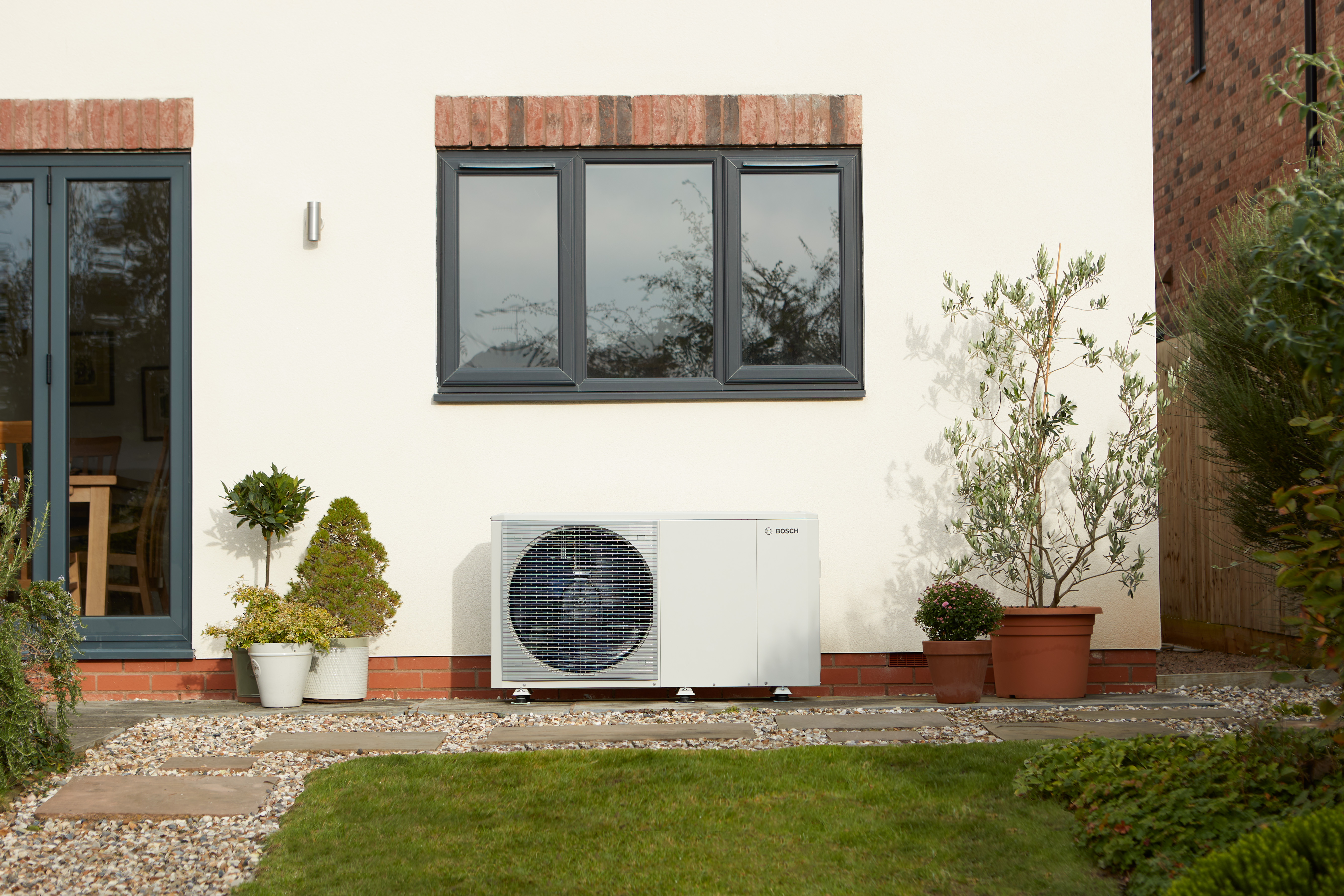


Top Energy-Saving Tips
Energy Saving Top Tips
With rising energy costs and an increasing focus on sustainability in the UK, making your home more energy-efficient can help you save money while reducing your environmental impact. Here are some simple steps to improve your home's energy efficiency and lower your bills.
Save Energy with Simple Habits
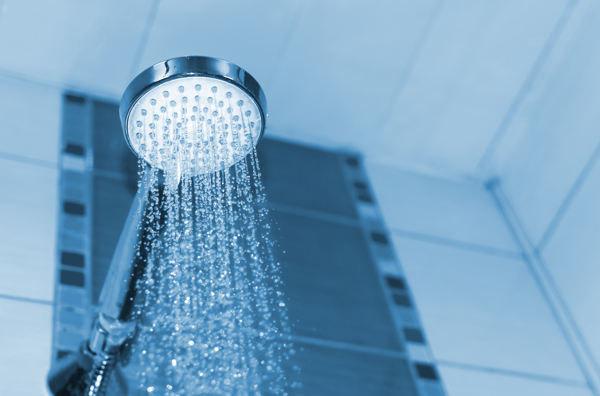
Take Shorter Showers Instead Of Baths
Keeping your shower time to just 4 minutes could save a typical household £60 a year on energy bills

Only Boil as Much Water as Needed
Avoid overfilling the kettle; boiling only the amount of water you need can save around £10 annually on your electricity bill.
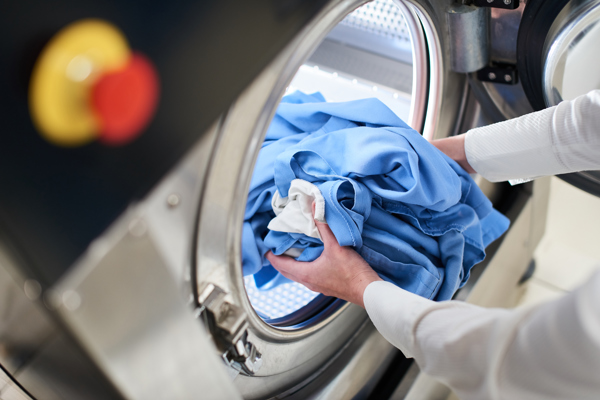
Wash Clothes at Lower Temperatures
Using your washing machine on a 30-degree cycle and reducing its use by one run per week can save approximately £24 per year.

Avoid Using a Tumble Dryer
Drying clothes on racks inside or outside in warmer weather can save £50 annually instead of using a tumble dryer.

Turn off Appliances on Standby
Turning your appliances off standby mode can save around £65 a year

Close Curtains at Night to Retain Heat
While specific savings aren't provided, closing curtains at dusk helps prevent heat loss through windows, contributing to overall energy savings.

Use a Slow Cooker Instead of an Oven
Specific savings aren't detailed, but using more energy-efficient cooking appliances like slow cookers can help reduce energy consumption.

Keep Your Fridge and Freezer Full
Maintaining a well-stocked fridge and freezer helps them operate more efficiently by reducing the amount of warm air that enters when opened, though exact savings aren't specified.
Energy Supply and Switching Suppliers
Energy prices have fluctuated recently, limiting switching deals, but competition is returning. Always review your options before switching and consider fixed-price deals to mitigate future increases. Be aware of potential cancellation fees when changing tariffs or suppliers. Contact your current supplier to explore better offers.
Switching process
Switching suppliers takes up to five working days with no service disruption. Your new provider manages the process—simply compare, choose, and switch.
Using price comparison websites
- Quick Search: Enter your postcode and energy usage for tailored results
- Comparison: The site will display potential savings and tariffs
- Easy switching: Your new supplier handles everything post-switch
Ofgem-Approved Price Comparison Sites:
Energy Efficiency In your home
Insulate Your Home
Proper insulation can help retain heat and improve efficiency.
- Loft Insulation reduces heat loss by up to 25%, saving between £330–£590 per year. The recommended thickness is 270mm.
- Wall Insulation prevents up to 35% of heat loss. Cavity wall insulation costs around £1,800, while solid wall insulation starts from £7,500 but can save approximately £340–£470 annually.
- Floor Insulation helps minimise heat loss through the ground floor. Thermal underlay adds an extra layer of insulation, improving energy efficiency.
Upgrade Windows and Doors:
Old or inefficient windows and doors can be a major source of heat loss.
- Install energy-efficient glazing to maintain indoor temperatures.
- Seal gaps and cracks to reduce draughts and heat loss.
- Explore housing retrofit funding options to support these upgrades.
Control Your Heating Smartly:
Heating makes up a significant portion of energy bills. Smart heating controls can help you use it more efficiently.
- Smart thermostats learn your routine and adjust heating automatically, potentially saving up to 10% annually on heating costs.
- Thermostatic Radiator Valves (TRVs) let you control temperatures in individual rooms.
- Smart meters provide real-time energy usage data, helping you track and reduce consumption.
Assistance and Support
Grants and Schemes
Energy Company Obligation (ECO4) Scheme
Overview: The ECO4 scheme is designed to improve the energy efficiency of homes, focusing on low-income and vulnerable households. It offers grants for insulation, heating upgrades, and other energy-saving measures.
Current Status: ECO4 is available until 2026, providing an opportunity for eligible households to benefit from free financial assistance.
Boiler Upgrade Scheme
Overview: This scheme provides grants to property owners to encourage the installation of low-carbon heating systems, such as heat pumps and biomass boilers, replacing existing fossil fuel heating.
Current Status: The scheme is open until 31 December 2027, offering grants of up to £7,500.
Home Upgrade Grant (HUG):
Overview: The HUG provides funding for energy efficiency measures and low-carbon heating solutions to low-income households living in the worst-performing, off-gas grid homes in England.
Current Status: Up to £630 million has been allocated to local authorities for HUG 2. Homeowners should contact their local authority to inquire about availability and application procedures.
Help & Guidance
Application Help
For assistance with applying to grants/schemes, it's advisable to contact your local authority or the respective scheme administrators.
Priority Services Register
A free support service offered by energy suppliers and network operators to help vulnerable customers.
Contact your supplier online, by phone, or in writing, check their website or your energy bills for contact info
PAS 2035 Retrofit Coordinator
Can help you manage your home’s energy efficiency upgrades.
Improve Your EPC Rating
An EPC (Energy Performance Certificate) rating measures the energy efficiency of a property on a scale from A (most efficient) to G (least efficient).
A better EPC rating means a more energy-efficient home, which can increase value and reduce costs.
- Retrofit improvements, such as insulation and smart heating, can boost your EPC score.
- Homes with a good EPC rating typically have lower energy bills.
- Lower energy use also means a smaller carbon footprint.
- Homes with good EPC ratings often feel warmer and more comfortable.
Dealing with Energy Debt
Contact your supplier for repayment plans or advice. Citizens Advice offers support on 0808 223 1133.
More Energy-Saving Tips

Regular Meter Readings
Submit readings to your supplier to avoid estimated bills and unexpected charges. Smart meters do this automatically.
Using Heat Controls
Set your boiler and heating to match your schedule with a programmer and use thermostatic radiator valves for room-specific temperature control.
Using Storage Heaters
Use correctly with Economy 7/10 tariffs for efficiency.
Upgrade to Energy-Efficient Appliances
Use LED bulbs, which consume up to 90% less energy than traditional incandescent bulbs and can save approximately £40 annually if all bulbs are replaced in your home.
Replace old appliances with A-rated energy-efficient models.
Useful Links and Tools
NEA Warm and Safe Homes Advice
For comprehensive advice, visit the Energy Saving Trust or contact your energy supplier for personalised guidance.